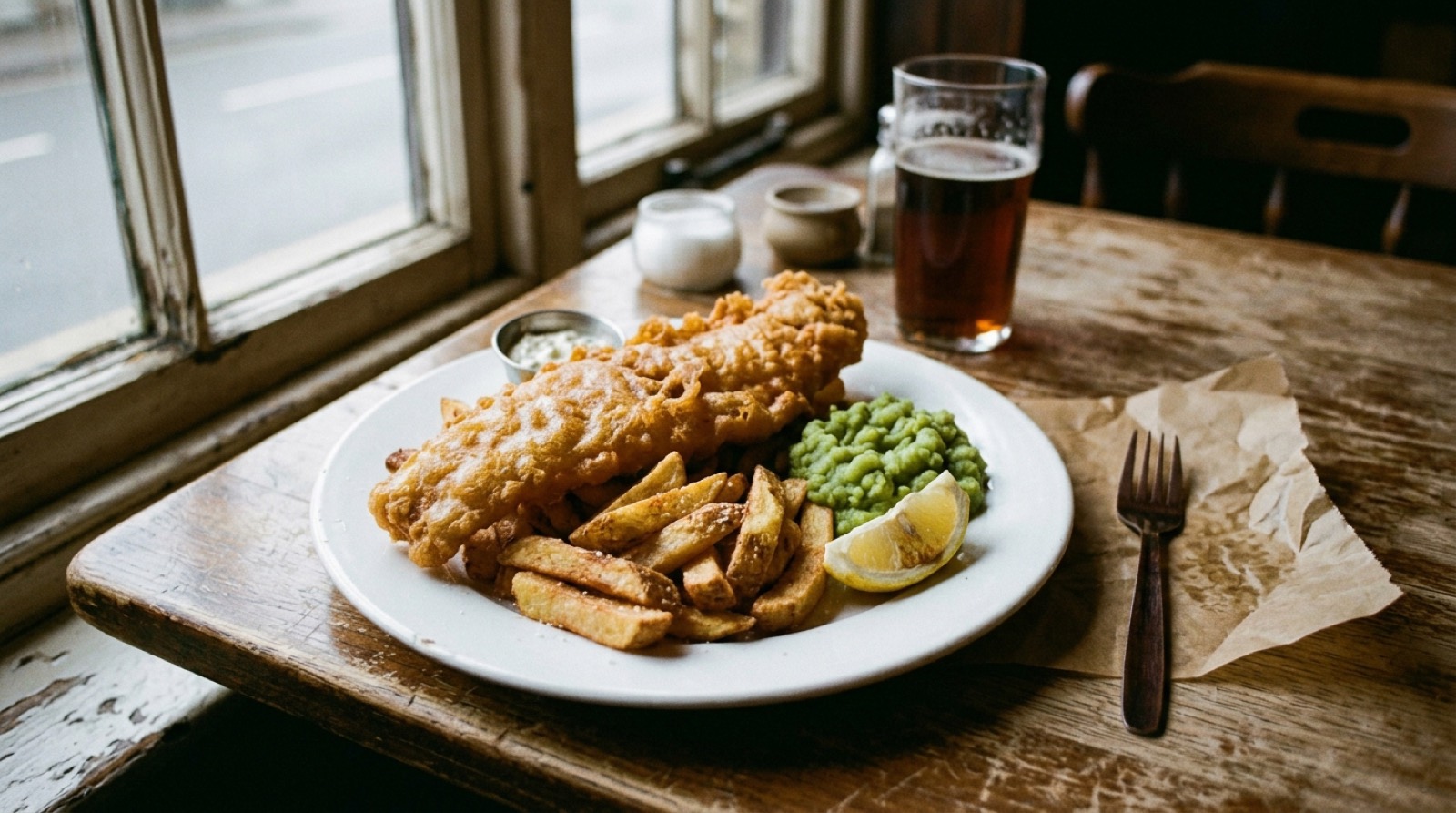
Crispy Golden Fish and Chips: A Classic Done Right
Fish and chips. The iconic British takeaway. A symphony of crispy batter, flaky white fish, and perfectly golden, fluffy-on-the-inside chips. It's more than just a meal; it's a cultural institution. But forget greasy, soggy imitations – this recipe will guide you to creating restaurant-quality fish and chips in the comfort of your own kitchen.
The origins of fish and chips are as fascinating as they are humble. The concept of fried fish was likely introduced to Britain by Jewish immigrants from Spain and Portugal in the 16th century. These “pescado frito” were typically sold from street vendors. Meanwhile, the concept of fried potatoes – what we know as chips – was also gaining popularity, possibly inspired by similar dishes in France or Belgium.
The genius of combining these two separate street food staples occurred sometime in the mid-19th century. While the exact location and inventor are debated, legend has it that the first fish and chip shop opened in London around 1860. Regardless of the precise origin, the dish quickly gained traction, becoming a working-class staple and a symbol of British culinary identity.
For generations, fish and chips have provided a hearty and affordable meal. During World War II, it was even one of the few foods that weren't rationed, symbolizing a sense of normalcy and morale for the British public. Today, fish and chips remain a beloved dish, enjoyed by people of all ages and backgrounds.
This recipe honors the tradition of fish and chips while incorporating some modern techniques to ensure the crispiest, most flavorful results. Get ready to impress your family and friends with this classic done right! We'll delve into the crucial ingredients and provide a step-by-step guide to achieving that perfect golden-brown crunch.
Ingredient Deep Dive: The Keys to Success
The secret to exceptional fish and chips lies in the quality of the ingredients and understanding their roles. Let's break down the key components:
- Fish: Cod is the classic choice for fish and chips, known for its mild flavor and flaky texture. Haddock and pollock are also excellent alternatives. Look for thick, skinless, boneless fillets for the best results. The thickness ensures the fish remains moist while the batter crisps.
- Potatoes: Russet potatoes are the ideal choice for chips. Their high starch content allows them to become incredibly fluffy on the inside and beautifully crispy on the outside. Soaking them in cold water before frying is crucial for removing excess starch, preventing them from sticking together and promoting crispness.
- Flour: All-purpose flour is the foundation of the batter. Using a combination of all-purpose flour and a small amount of baking powder helps create a light and airy batter that adheres well to the fish.
- Baking Powder: This leavening agent introduces air into the batter, contributing to its lightness and crispness.
- Beer: The secret weapon for a truly superior batter! Cold beer, especially lager or ale, adds flavor and helps create a light and bubbly texture. The carbonation in the beer contributes to the crispiness of the fried fish. The alcohol also evaporates during frying, leaving behind a subtle, delicious flavor.
- Oil: Vegetable oil, canola oil, or peanut oil are all suitable for frying. Choose an oil with a high smoke point to prevent it from burning and imparting an unpleasant flavor to the fish and chips. Using fresh, clean oil is also essential for achieving optimal results.
Step-by-Step Instructions: From Prep to Plate
Follow these detailed instructions to create perfect fish and chips every time:
Step 1: Prepare the Chips
- Peel the Russet potatoes and cut them into ½-inch thick fries.
- Soak the cut potatoes in cold water for at least 30 minutes, or even up to a few hours. This is crucial for removing excess starch. The longer they soak, the crispier they will be.
- Drain the potatoes thoroughly and pat them completely dry with paper towels. Moisture is the enemy of crispness!
Step 2: First Fry (Chips)
- Heat about 3 inches of vegetable oil in a large, heavy-bottomed pot or deep fryer to 325°F (160°C). Use a thermometer to ensure accurate temperature.
- Fry the potatoes in batches (don't overcrowd the pot!) for about 5-7 minutes, or until they are soft but not browned. This is a "par-fry" to cook the potatoes through.
- Remove them with a slotted spoon and place them on a wire rack to cool completely. This allows the excess oil to drain and helps them crisp up during the second fry.
Step 3: Prepare the Fish Batter
- In a large bowl, whisk together the flour, baking powder, salt, and pepper.
- Gradually whisk in the cold beer until you have a smooth batter. It should be the consistency of pancake batter.
- Do not overmix the batter! Overmixing will develop the gluten in the flour, resulting in a tough batter. A few lumps are okay.
Step 4: Second Fry (Chips)
- Increase the oil temperature to 375°F (190°C).
- Fry the potatoes again in batches for 2-3 minutes, or until they are golden brown and crispy. Keep a close eye on them to prevent burning.
- Remove them with a slotted spoon and place them on a wire rack lined with paper towels. Season immediately with salt.
Step 5: Fry the Fish
- While the chips are frying for the second time, ensure the oil remains at 375°F (190°C).
- Pat the cod fillets dry with paper towels. This helps the batter adhere better.
- Dip each fillet into the batter, ensuring it's completely coated. Let the excess batter drip off.
- Carefully lower the battered fish into the hot oil. Fry for about 5-7 minutes per side, or until golden brown and cooked through. The internal temperature should reach 145°F (63°C). Use a meat thermometer to check.
- Do not overcrowd the pot. Fry the fish in batches to maintain the oil temperature.
Step 6: Drain and Serve
- Remove the fish with a slotted spoon and place it on a wire rack lined with paper towels to drain excess oil.
- Serve immediately with the hot chips, malt vinegar, tartar sauce, and lemon wedges.
Common Mistakes (and How to Avoid Them!)
- Soggy Chips: The biggest culprit is not soaking the potatoes long enough or not drying them thoroughly before frying. Also, ensure the oil temperature is hot enough.
- Greasy Fish: Not draining the fish properly after frying or using oil that isn't hot enough can result in greasy fish. Make sure the oil is at the correct temperature and use a wire rack to drain the fish.
- Batter Falling Off: Patting the fish dry and using cold beer in the batter will help the batter adhere better. Also, avoid overmixing the batter.
- Undercooked Fish: Use a meat thermometer to ensure the fish reaches an internal temperature of 145°F (63°C).
- Overcrowding the Pot: Frying too much food at once lowers the oil temperature, resulting in greasy and soggy results. Fry in batches.
Serving Suggestions: Completing the Experience
Fish and chips are delicious on their own, but here are some classic accompaniments to elevate your dining experience:
- Malt Vinegar: A must-have! The tangy acidity cuts through the richness of the fried food.
- Tartar Sauce: A creamy, tangy sauce made with mayonnaise, pickles, capers, and herbs.
- Lemon Wedges: A squeeze of fresh lemon juice adds brightness and acidity.
- Mushy Peas: A traditional British side dish made from mashed peas.
- Coleslaw: A refreshing and crunchy salad.
- Ketchup: A simple but satisfying addition.
Enjoy your homemade crispy golden fish and chips! This recipe is sure to become a family favorite.